GSA SER Verified Lists Vs Scraping
The Eternal SEO Debate: GSA SER Verified Lists vs Scraping
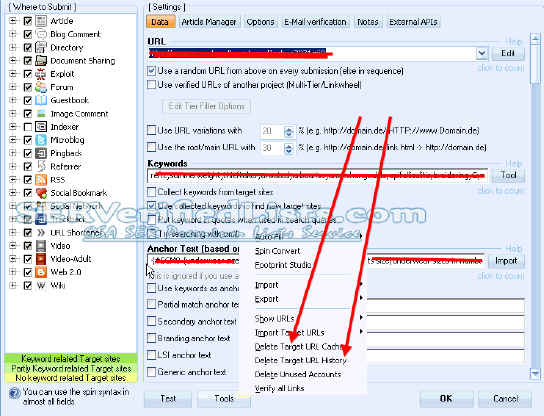
If you work with automated link building, you have almost certainly faced the same crossroads: Should you invest in a premium verified list for GSA Search Engine Ranker, or should you rely on the software’s built-in scraping engine to harvest targets on the fly? The choice between GSA SER verified lists vs scraping is not about which method is objectively superior—it is about aligning your resources, risk tolerance, and campaign goals with the right tool.
What Exactly Are GSA SER Verified Lists?
A verified list is a pre-built database of URLs that have already been tested and confirmed as accepting submissions. Think of it as a curated guest list. These lists are typically sold by specialized vendors and contain thousands, sometimes millions, of platforms—ranging from Web 2.0 blogs and article directories to comment sections and forums. Each entry has already passed GSA SER’s verification stage, meaning the engine skips the time-consuming detection phase and jumps straight to registration and submission. This turns your link builder into a pure posting machine.
The Scraping Engine: Unlimited Targets, Unfiltered Reality
Scraping is the native method. GSA SER is fed footprints—search strings like “powered by WordPress†or specific inurl: patterns—and it queries search engines such as Google, Bing, or Yandex to discover new, unverified URLs. The software then probes each target, attempts to identify the platform, and only then tries to post. The scraping approach is the digital equivalent of cold calling: you get an endless stream of fresh opportunities, but you also face a mountain of dead ends, anti-spam traps, and platform compatibility issues.
Key Differences in the GSA SER Verified Lists vs Scraping Showdown
When evaluating GSA SER verified lists vs scraping, you are really comparing two fundamentally different workflows. The following breakdown strips away the marketing hype and looks at what matters in real campaigns.
Success Rate and Immediate Efficiency
Verified lists offer a staggering efficiency advantage out of the gate. Because the URLs have already been checked, your submission success rate can soar to 70%, 80%, or even higher on high-quality lists. Scraping, by contrast, is a numbers game. A freshly scraped batch might yield a 5% to 15% submission rate because the software must sift through parked domains, 404 pages, captcha walls, and platforms that read more have hardened their defenses. If you need 10,000 verified links in a hurry, a verified list will get you there while the scraping engine is still identifying its first thousand valid targets.
Footprint Freshness and Footprint Burnout
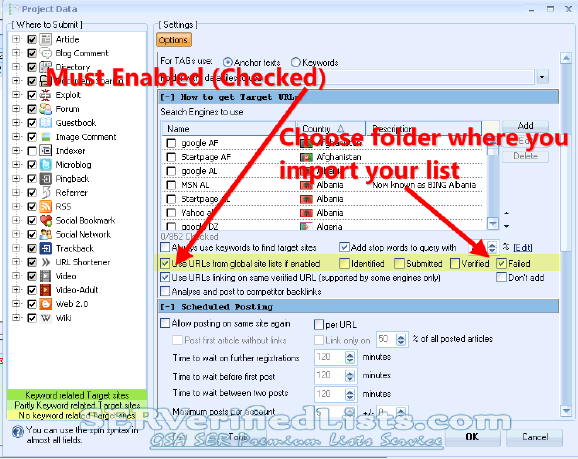
Scraping has one undeniable superpower: it finds platforms that have never seen a drop of automated spam. These untouched URLs can be incredibly powerful, especially in low-competition niches. Verified lists, on the other hand, often contain the same “classic†targets that every other GSA user is hammering. Over time, those URLs become heavily spammed, and the link juice you extract from them may be diluted or even toxic. If you buy a list that hasn’t been updated in months, you are essentially paying for yesterday’s footprints, many of which search engines have already learned to ignore.
Resource Consumption and Proxy Load
The hardware math in the GSA SER verified lists vs scraping equation heavily favors verified lists. Scraping sends a constant stream of queries to search engines, which demands a large pool of high-quality proxies, a robust captcha solver, and significant CPU threads. You will burn through your proxy bandwidth and trigger temporary bans if you scrape too aggressively. Verified lists bypass search engine scraping entirely. You load the list, and GSA SER begins posting directly, drastically lowering your proxy expenses and server load. For users on a limited VPS or a tight monthly proxy budget, this alone can justify the cost of a premium list.
Risk and Platform Reputation
Scraping gives you granular control over which footprints you chase. You can specifically target niche-relevant platforms—say, education or health blogs—and avoid entire categories of low-quality domains. With a verified list, you are flying blind regarding the exact mix of domains unless the vendor provides detailed transparency. A list loaded with Chinese comment spamming URLs or heavily penalized Web 2.0 blogs might do more harm than good to your tiered link structure. However, a well-maintained, trusted list curated by experts can offer a safer “set and forget†experience, whereas scraping can accidentally lead you into a neighborhood that triggers Google penalties if you don’t constantly monitor the footprint filters.
The Hybrid Workflow: Where Smart Marketers Land
After dissecting GSA SER verified lists vs scraping, the most productive users rarely choose one exclusively. A common hybrid approach uses a core verified list as the engine’s always-on baseline to maintain a steady, high-success drip of links. Simultaneously, a low-priority scraping project runs in the background on a different instance or a scheduled window, hunting for rare, high-value niche targets that no list vendor has catalogued. This way, you get the raw speed and reliability of verified targets while still tapping into the undiscovered frontiers that only a live scrape can reveal.
Ultimately, verified lists are a shortcut you pay for with money; scraping is a shortcut you pay for with time, proxies, and CPU cycles. The better your proxy infrastructure and the more specific your niche, the more scraping can outperform even the best list. For broad, high-volume, tier-2 and tier-3 campaigns where speed and bandwidth preservation matter most, a meticulously maintained GSA SER verified list is almost always the more practical weapon.